
Smart Home Planning · Reading & Berkshire
Planning a Smart Home: Start With the Outcome
Design the outcome first. Choose the technology second.
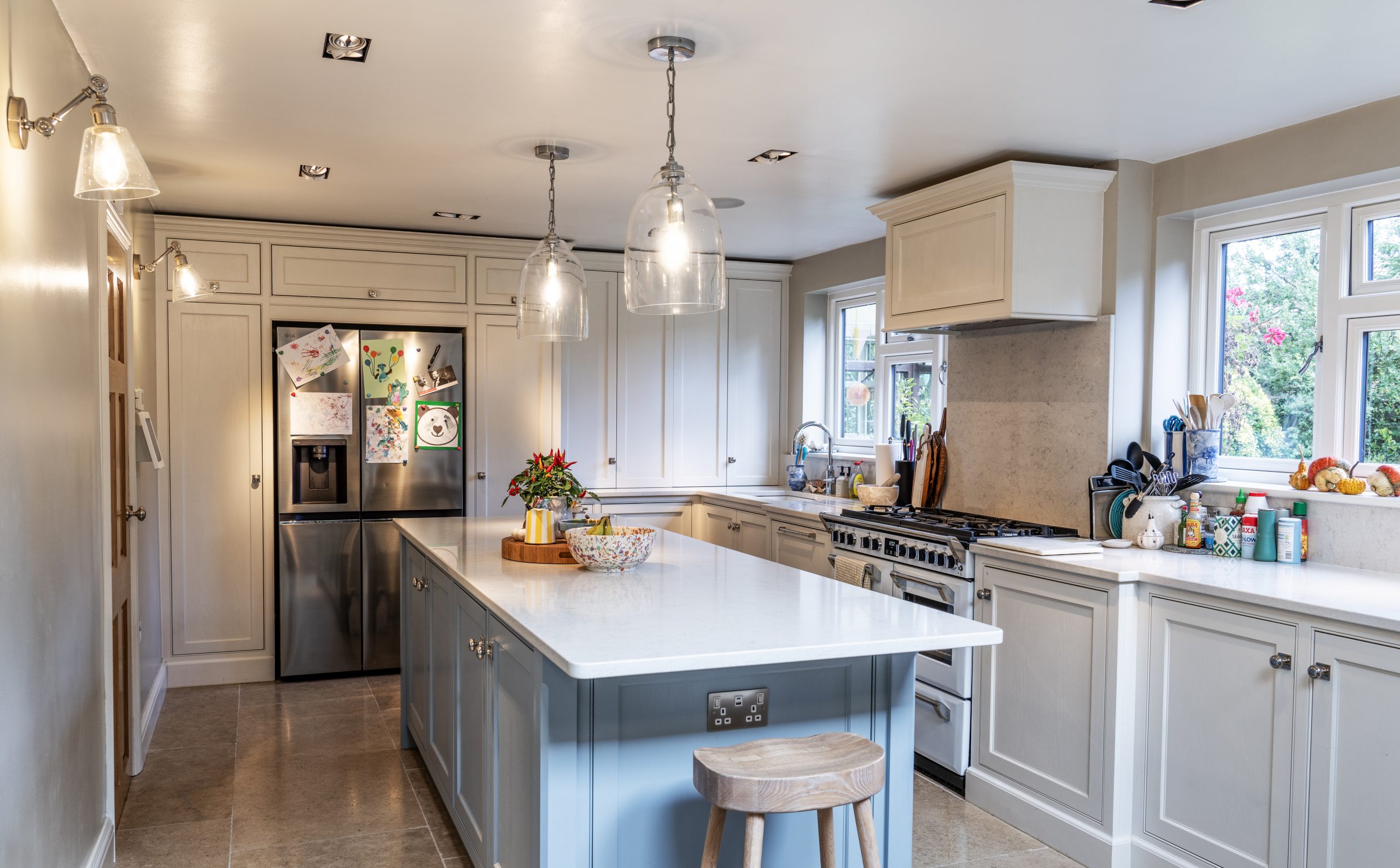
Before choosing equipment
Start with the life the home needs to support.
A professionally designed connected home should begin with people, spaces and routines—not a list of products. Think first about how the property should feel, behave and respond throughout an ordinary day.
That brief might include a calmer arrival home, lighting that suits different uses, comfortable rooms, simpler control or future energy decisions. It does not mean every home needs every feature.
Define the outcomes
What should the home do for you?
These are planning prompts, not a required specification. The right brief depends on the property and the people using it.
Lighting
How should each space feel, and how might that change for cooking, relaxing, entertaining or moving through the home?
Heating & climate
Which rooms need individual control, and how should comfort reflect when and how they are actually used?
Shading & blinds
Where could central or automatic control genuinely improve privacy, comfort or everyday convenience?
Access & security
What should happen when people arrive, leave or need controlled access to the property?
Audio
Would discreet integrated audio add something useful in particular rooms, rather than becoming technology for its own sake?
Energy awareness
Could visibility of consumption and major loads support better-informed decisions about the home's future?
External spaces
How should entrances, paths, gardens and outside lighting relate to the wider home?
Future flexibility
What should be allowed for while work is open so later changes remain practical?
Less to think about
A smart home should not feel like more technology.
A poorly coordinated collection of apps, buttons and individual devices can add friction. A better design asks which systems should work together and which interactions can become more natural.
Simpler
Fewer disconnected control points where one considered approach is more useful.
Calmer
Automation used selectively, without demanding constant attention.
Intuitive
Controls that make sense to the people who live in the home.
Considered
Technology selected to support the brief—not to become the brief.
Design before product
A better order for the decisions.
Understand the property
Consider its layout, construction, existing installation and project stage.
Understand the people
Explore routines, priorities and how different spaces will be used.
Define the outcomes
Agree what should feel easier, more comfortable or more coherent.
Connect the systems
Identify which lighting, climate, shading, access, audio or energy functions genuinely need to work together.
Plan the infrastructure
Coordinate the electrical and control requirements before routes and finishes are fixed.
Select the technology
Choose an appropriate solution only after the brief and practical constraints are clear.
Install & commission
Bring the agreed systems together and test their intended operation.
Refine where appropriate
Review how the agreed controls support day-to-day living once the home is in use.
Genuine NGE evidence
Planning principles, grounded in real work.
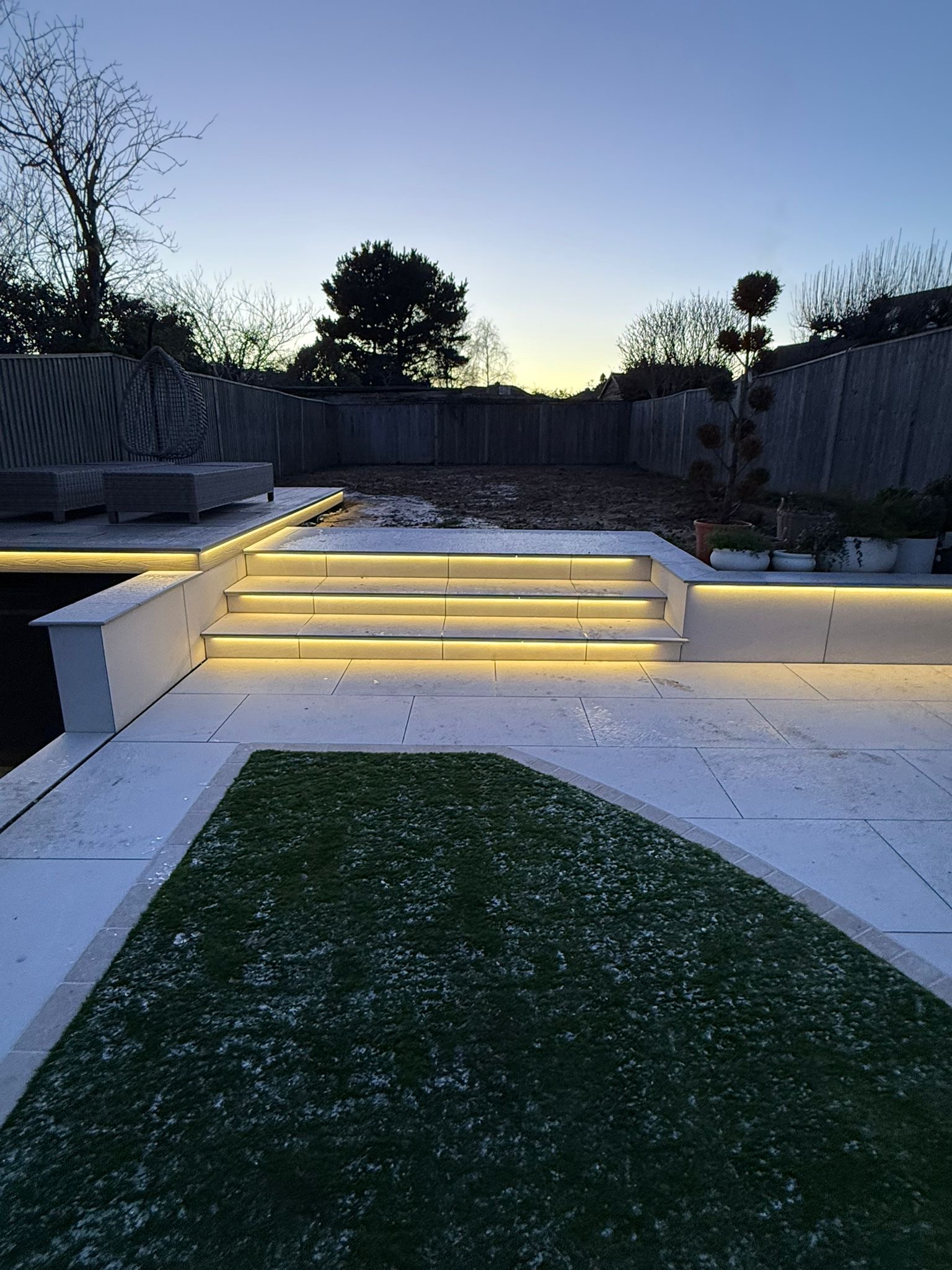
One clear outcome, designed as a controlled system.
NGE designed, installed, programmed and commissioned the verified Loxone solution, coordinating lighting zones, scenes, schedules, sunset/sunrise-related operation and app control.
View the Smart Pond project →An integrated electrical foundation.
At Purley, NGE delivered the electrical foundation, layered lighting and underfloor-heating/control provision, integrating customer-selected controls while the wider connected-home system remained customer-led.
View the Purley project →Why Loxone appears here: NGE is a verified Loxone partner with genuine project evidence. The planning principle remains technology-neutral: define the outcome before selecting the platform.