

Architectural Lighting Planning
Architectural Lighting: What to Plan Before First Fix
Good lighting begins with the architecture, the way each space is used and the atmosphere you want to create—not a grid of fittings on the ceiling.
Design the effect first
Light the home you designed—not just the ceiling.
Fittings matter, but they are not the starting point. Early lighting conversations can respond to the architecture, furniture, work surfaces, joinery, artwork, circulation and views before routes and control positions are fixed.
That makes the finished scheme feel considered rather than added later. It also allows lighting, switching, dimming and smart control to be coordinated with the wider electrical installation.
Build in layers
Different light for different jobs.
A strong plan usually combines more than one role. The balance varies by room, material and project.
Ambient
Comfortable general illumination that supports the room without flattening every surface.
Task
Focused light for kitchens, desks, mirrors, reading and other activities that need clarity.
Accent
Light used to reveal texture, artwork, joinery, architectural details and focal points.
Low level & exterior
Circulation, steps, approach routes, terraces and landscape features considered with the whole home.
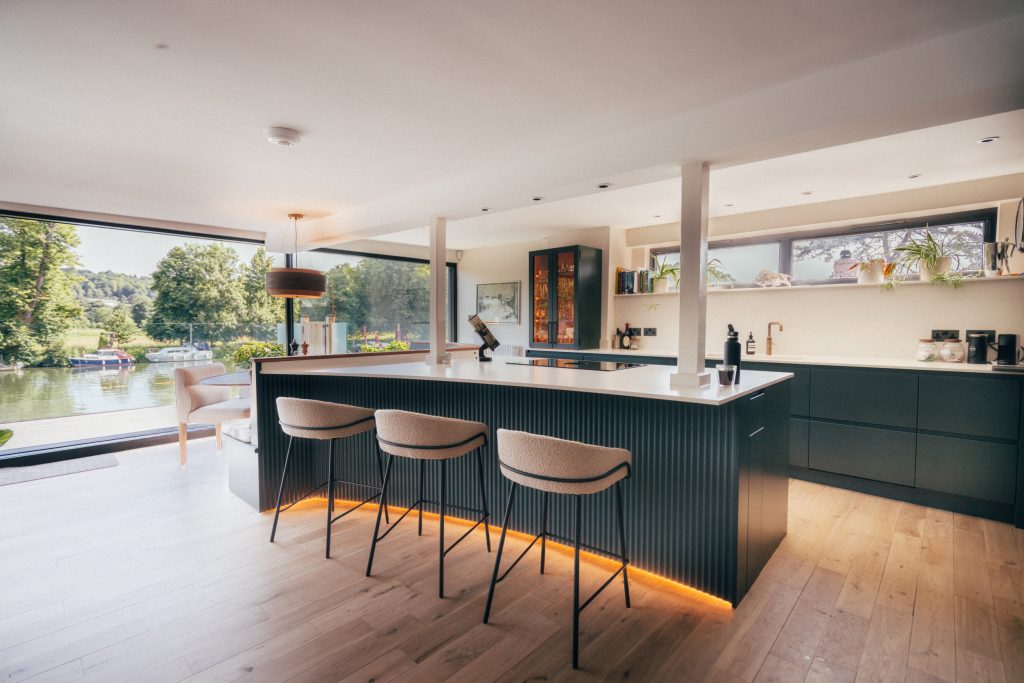
Plan around the space
A ceiling grid is not the only answer.
Evenly spaced downlights may suit part of a scheme, but the best result can come from asking what deserves light and where people will actually be.
Control with purpose
Zones and scenes should follow real life.
Lighting control can make a layered scheme simple to use when circuits, zones, dimming and control positions are agreed early. Smart control may be appropriate where it serves a clear outcome; it is not a requirement for every home.
- Separate practical, ambient and feature layers where useful
- Consider how the room changes between daytime and evening
- Coordinate controls with entrances, bedside positions and circulation
- Agree product, programming and commissioning scope for the project

Genuine NGE lighting work
One project. Several different lighting roles.
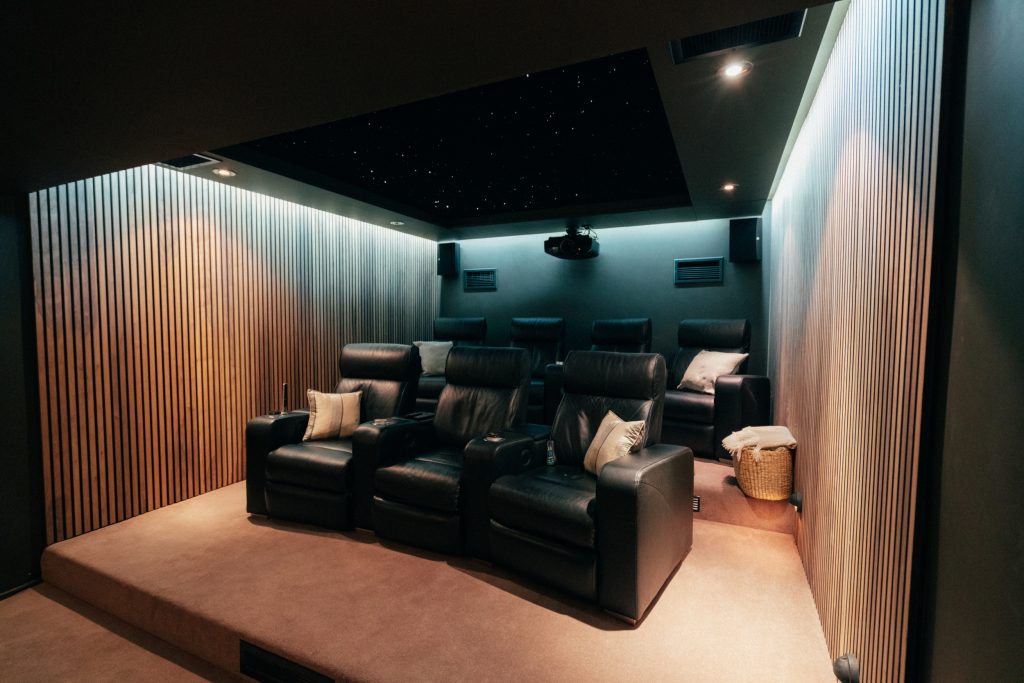

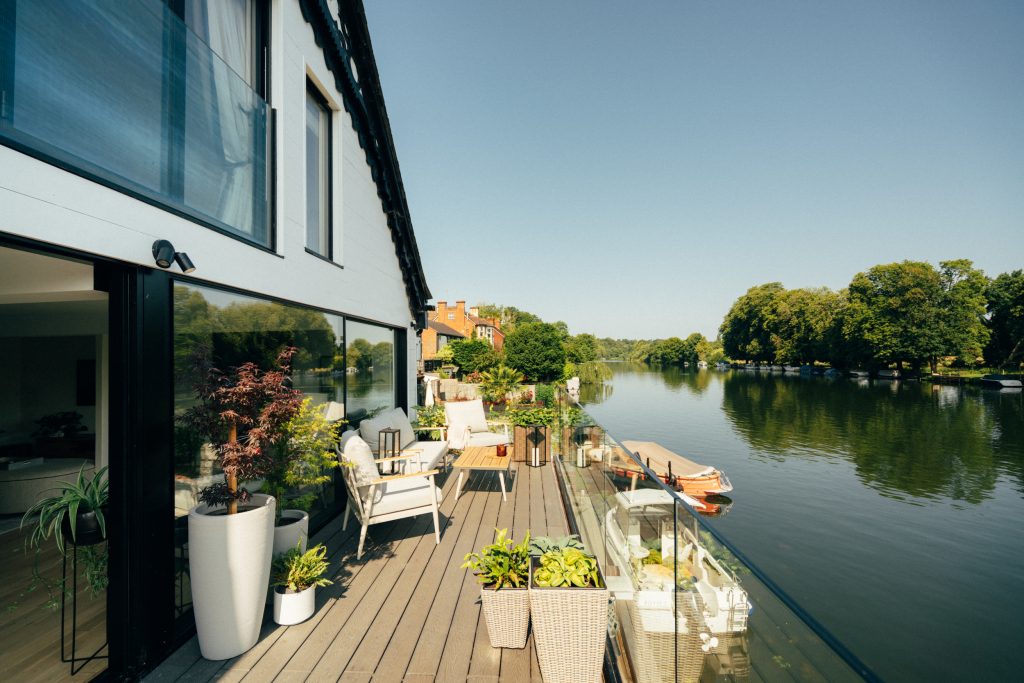
Pangbourne Riverside Renovation included architectural and integrated lighting within a substantial whole-home electrical renovation. Smart Pond demonstrates NGE's verified Loxone design, installation, programming and commissioning for external lighting zones and automated functions.
Planning a renovation or new home?
Bring NGE in while the lighting can still be designed properly.
Send the plans you have, the project location, current stage and a short note about the spaces or lighting effects you are considering.